
Electric vs. Manual Toothbrush: Which Is Better for Your Oral Health?
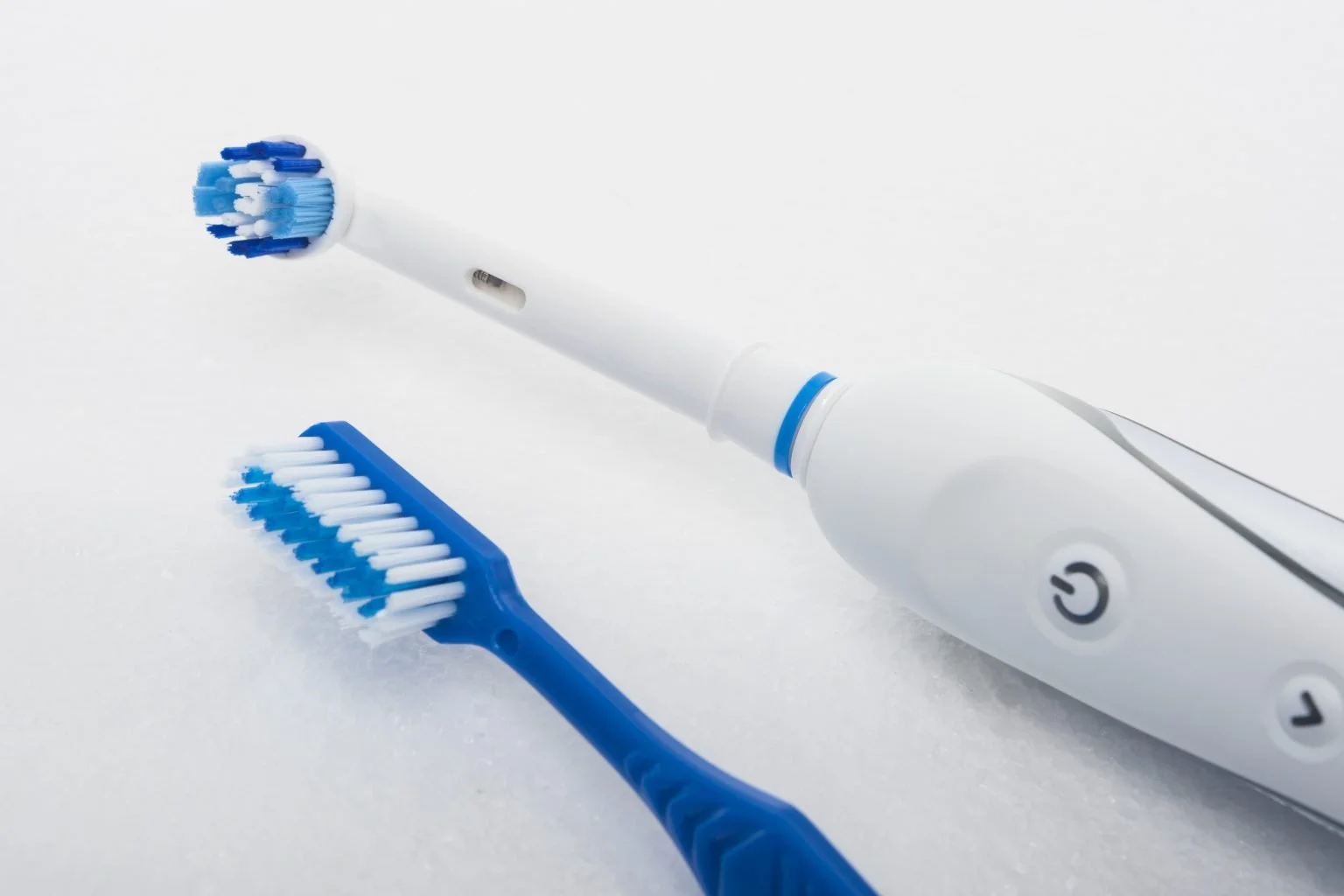
Maintaining good oral hygiene is essential for preventing cavities, gum disease, and other dental problems. One of the most important tools for daily dental care is choosing the right toothbrush. Many patients ask whether an electric toothbrush or a manual toothbrush is better. Below, we compare both options to help you make an informed decision for a healthier smile.
Electric Toothbrush vs. Manual Toothbrush
A manual toothbrush has been used for many years and can be highly effective when used with proper brushing technique. It is affordable, easy to use, and widely available. Manual toothbrushes allow full control of pressure and movement, but their effectiveness depends largely on brushing time, consistency, and technique.
An electric toothbrush, on the other hand, uses oscillating, rotating, or vibrating movements to remove plaque more efficiently. Studies show that electric toothbrushes can help reduce plaque and gingivitis more effectively than manual toothbrushes, especially for people with limited mobility, braces, or difficulty maintaining proper brushing habits. Although electric toothbrushes tend to be more expensive, many users find them easier and more effective to use.
Both electric and manual toothbrushes can support good oral health when used correctly. Manual toothbrushes are a practical and cost-effective option, while electric toothbrushes offer advanced cleaning and convenience. Choosing the best toothbrush depends on your personal needs, oral health goals, and your dentist’s recommendation. Regular brushing, along with professional dental checkups, is the key to a healthy and confident smile.
Is an electric toothbrush better than a manual toothbrush?
Both can be effective for maintaining good oral hygiene when used properly. Electric toothbrushes may provide a deeper clean, while manual toothbrushes are a practical and affordable option when used with the correct technique.
Do electric toothbrushes clean teeth better?
In many cases, yes. Electric toothbrushes can remove more plaque and help reduce gingivitis thanks to their automatic movements, especially for people with braces or difficulty brushing properly.
Can a manual toothbrush damage my gums?
No, as long as it is used correctly and without excessive pressure. Using a soft-bristled toothbrush and gentle brushing motions helps protect your gums.
How often should I replace my toothbrush?
Dentists recommend replacing your toothbrush or electric toothbrush head every 3 to 4 months, or sooner if the bristles become worn.
What type of toothbrush do dentists recommend?
Most dentists recommend soft-bristled toothbrushes, whether manual or electric. The best choice depends on your individual oral health needs and your dentist’s advice.